
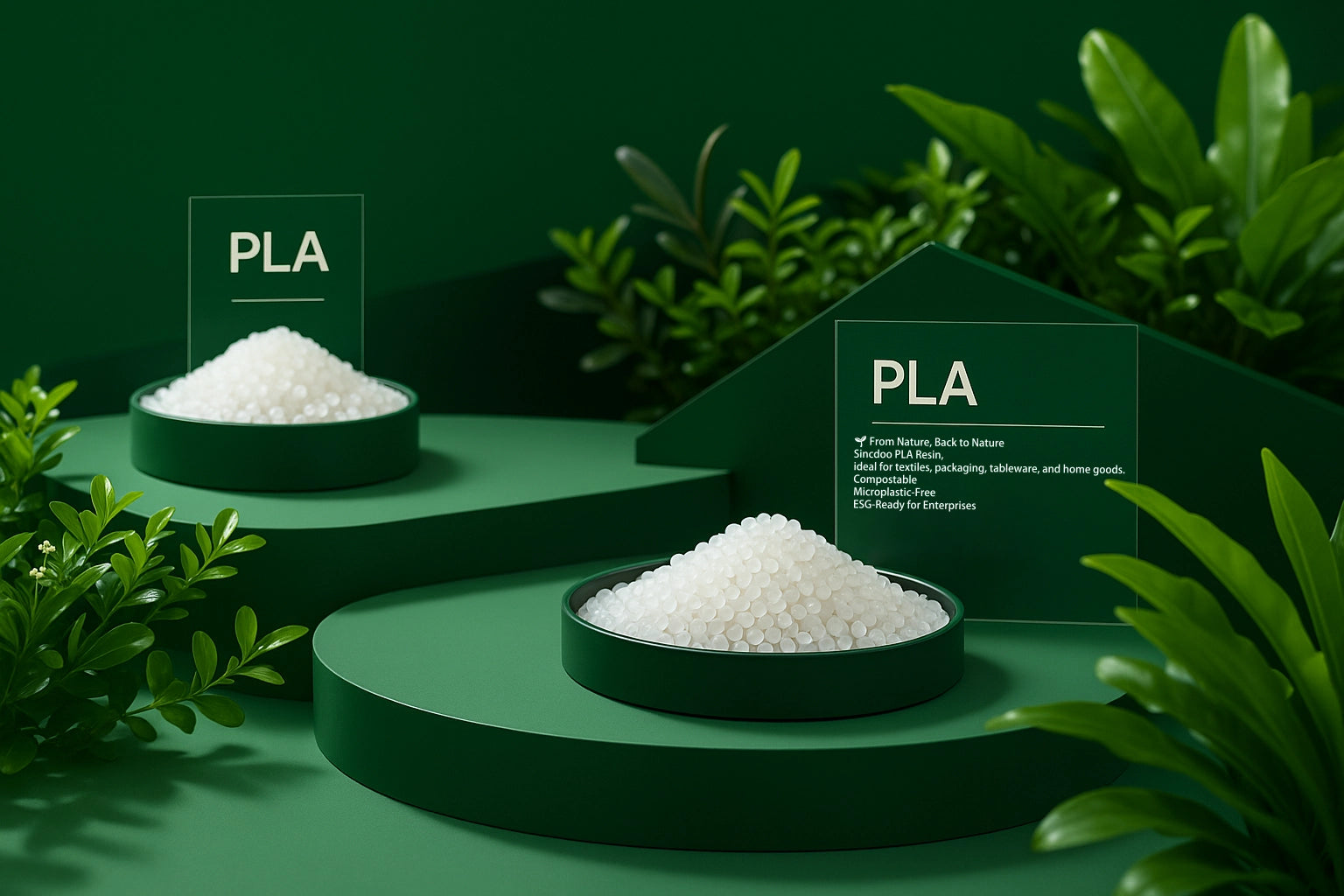
PLA for Sustainable Textiles
Sincdoo PLA fibers, fabrics, clothing materials, and home textiles offer a renewable path for lower-impact product development.
PLA helps textile brands reduce dependence on petroleum-based fibers by combining renewable raw materials, versatile processing, and a clearer end-of-life pathway under appropriate treatment conditions.
Sincdoo Biotech Co., Ltd. is a subsidiary of ZB Group, a large apparel manufacturer in China with experience across suits, sportswear, casualwear, outerwear, underwear, children’s apparel, and home textiles. Building on this manufacturing and design foundation, Sincdoo focuses on PLA textile materials for brands seeking renewable, lower-impact alternatives.
PLA Fiber and Fabric Development
Sincdoo provides PLA staple fibers, PLA filaments, 100% PLA fabrics, and blended PLA fabric solutions. These materials can be developed for apparel, bedding, home textiles, fillings, and selected nonwoven applications. Our goal is to help customers reduce petroleum-based fiber use while maintaining comfort, softness, and practical performance.
Responsible Raw Material Sourcing
Sincdoo prioritizes renewable feedstocks such as straw, sugarcane, and selected corn-based inputs for fermentation. This supports more responsible material development and reduces dependence on fossil-based resources.
Textile R&D and Customization
Our team works with customers on yarn structure, fabric hand feel, blending options, dyeing and finishing requirements, and product development for apparel and home textile markets. We support OEM and customized development for PLA fabrics, PLA clothing materials, bedding, and comfort products.
Certifications and Support
Sincdoo can provide relevant documentation and certification support, including DIN, TÜV, BPI, and other material-related documents where applicable. Our R&D and design teams collaborate with research institutions, universities, and brand partners to develop high-quality PLA textile solutions.
End-of-Life Thinking
Because waste treatment systems differ by region, Sincdoo supports responsible pathways such as industrial composting where available, recycling and reuse through qualified partners, and continued research into PLA degradation technologies.
-
Lower-Impact Textile Materials
PLA fibers are made from renewable resources and can help brands reduce dependence on petroleum-based textile materials. They support product development for apparel, bedding, home textiles, fillings, and comfort-focused applications.
-
Renewable Raw Materials
PLA can be made from corn starch, sugarcane, straw, and other renewable feedstocks. Using renewable inputs helps reduce reliance on finite fossil resources and supports a more responsible textile supply chain.
-
Textile Applications
Sincdoo PLA can be adapted for fibers, yarns, fabrics, apparel materials, home textiles, bedding, fillings, and selected nonwoven products. This focus helps customers build clearer, more sustainable textile collections.
The Lifecycle of PLA Textiles
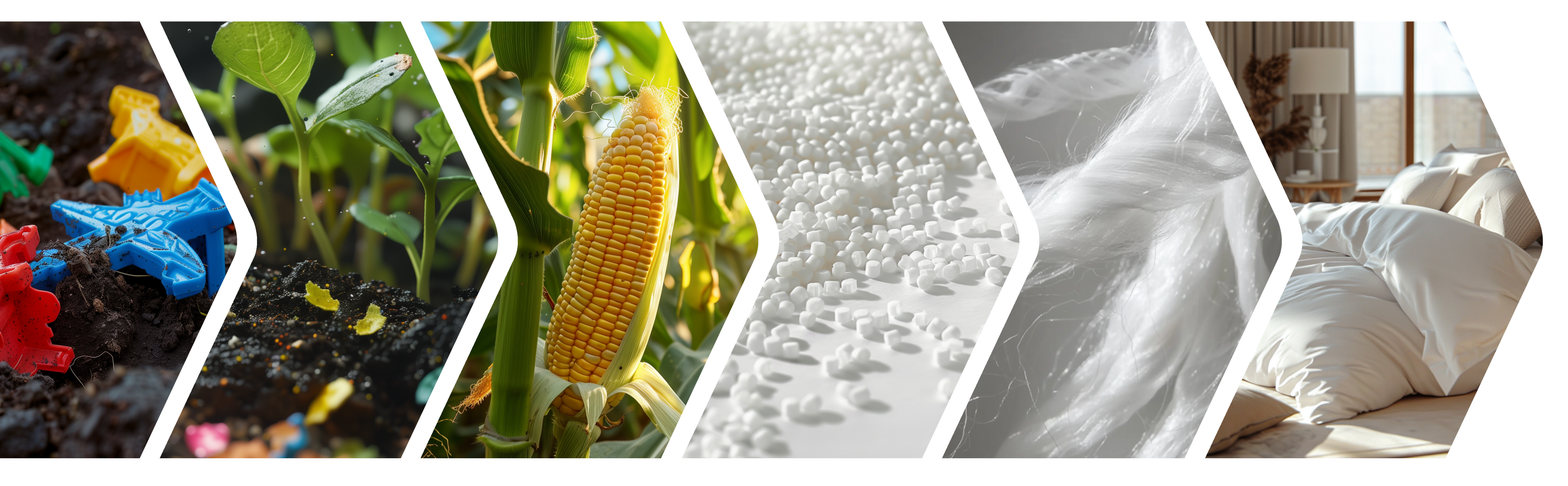
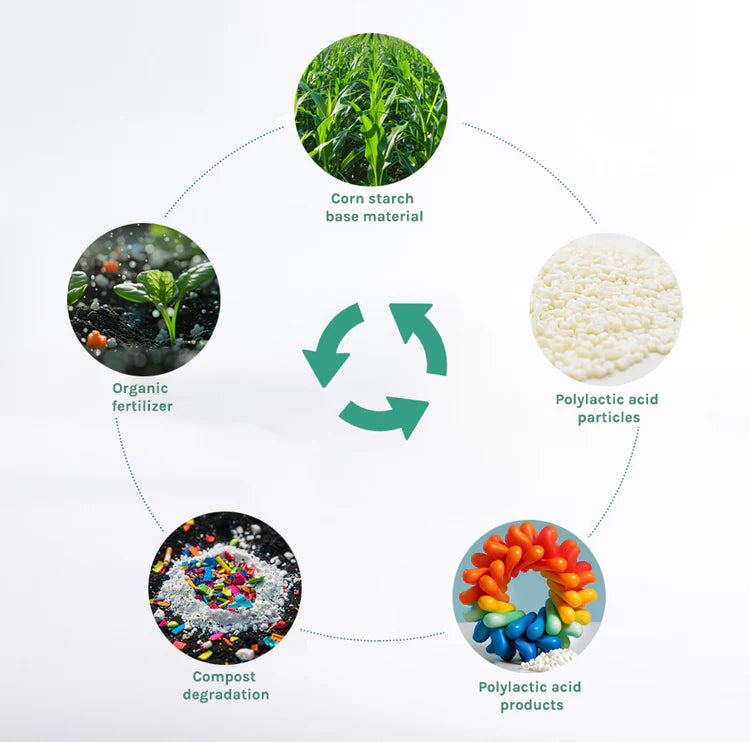
PLA textiles begin with renewable resources such as straw, corn starch, and sugarcane. These inputs are processed into fibers, yarns, fabrics, apparel materials, and home textile products. After use, PLA can follow end-of-life pathways such as industrial composting, recycling, or energy recovery depending on local facilities.
Common Questions About PLA
Why is PLA considered environmentally friendly?
PLA is made from renewable resources such as corn starch and sugarcane. These plants absorb carbon dioxide while growing, and PLA can biodegrade under proper industrial composting conditions, helping reduce long-term environmental impact.
What happens if PLA is accidentally discarded?
PLA is not a license to litter, and it should still be collected and treated responsibly. Compared with conventional plastics, PLA is designed to break down under suitable conditions and is not expected to create persistent microplastic hazards.
How does PLA biodegrade?
PLA biodegrades when its molecular chains are broken down by heat, moisture, and microorganisms, most effectively in industrial composting facilities. Under those controlled conditions, PLA can convert into carbon dioxide, water, and biomass.
What are the advantages of PLA in textiles?
PLA can be processed into fibers, yarns, fabrics, fillings, and nonwovens. It offers a soft hand feel, renewable material origin, and strong potential for apparel, bedding, and home textile applications.
How is PLA different from other bioplastics?
PLA is one of the most widely used bio-based plastics because its raw materials are renewable and its processing performance is well established. It offers a strong balance of availability, adaptability, and lower dependence on fossil resources.
Why use PLA for clothing and home textiles?
PLA textiles can help reduce petroleum-based fiber use while offering comfort, softness, and material innovation for apparel and bedding. For brands, PLA creates a clearer sustainability story without moving too far away from familiar textile performance.
Common Questions About PLA Textile Products
Where can Sincdoo PLA fibers be used?
Sincdoo PLA fibers can be used in yarns, woven and knitted fabrics, fillings, bedding, apparel, home textiles, and selected nonwoven materials. They support soft, comfortable products with a lower reliance on petroleum-based fibers.
How can PLA be used in apparel?
PLA fabrics can be developed for shirts, sleepwear, casualwear, children’s apparel, linings, and blended textile products. Sincdoo can support yarn selection, fabric structure, and OEM development for apparel brands.
How can PLA be used in home textiles and bedding?
PLA materials can be used in bedding, quilt fillings, pillows, blankets, mattress-related textiles, and soft home goods. These applications are well suited for brands focused on comfort, health, and renewable materials.
How can PLA textiles be treated after use?
- Industrial composting: PLA can biodegrade in qualified facilities with suitable temperature, humidity, and processing time.
- Recycling and reuse: PLA textile materials can be explored for recycling where collection and sorting systems exist.
- Energy recovery: In regions without better treatment options, PLA can be considered for energy recovery instead of landfill disposal.